 By admin
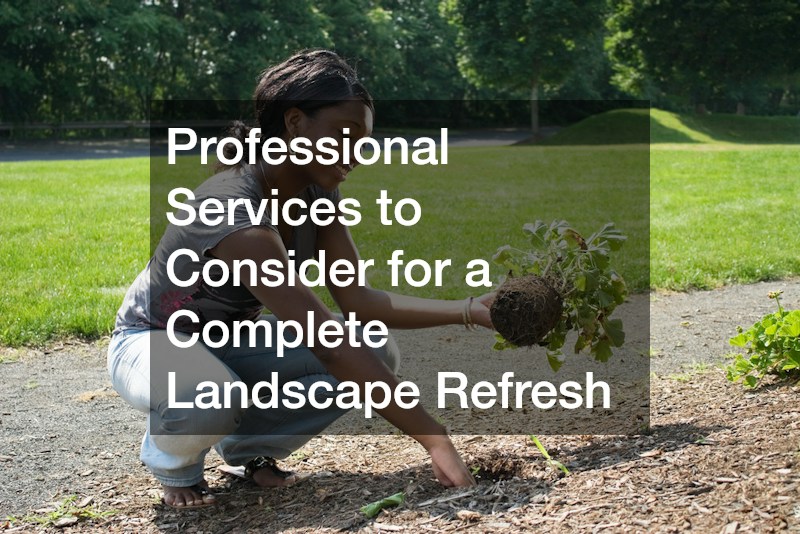
Refreshing a landscape can make an entire property feel more inviting, organized, and useful. A complete update may involve much more than adding plants or replacing mulch. Homeowners often need to consider drainage, grading, hardscaping, lighting, fencing, irrigation, tree work, lawn health, and outdoor features at the same time. Planning these elements together can help create a yard that looks cohesive and functions well throughout the year.
A successful landscape refresh usually begins with a clear understanding of how the property is currently used and where improvements are needed. Families may want more room for entertaining, safer walkways, better privacy, easier maintenance, or stronger curb appeal. Some properties may also have practical concerns, such as uneven terrain, poor drainage, aging trees, worn lawns, or limited outdoor lighting.
Because these projects often involve different types of expertise, working with the right professionals can make the process more manageable. Coordinating services in a logical order can also reduce rework and prevent one improvement from interfering with another. By considering the property as a complete outdoor system, homeowners can make decisions that support both appearance and everyday function.
Start With a Professional Landscape Plan
Before making major changes, homeowners can benefit from evaluating the entire property. A landscape design service can help organize ideas, identify problem areas, and create a plan that connects different outdoor features. Instead of choosing plants, patios, lighting, and fencing separately, a coordinated design can show how each element fits into the larger space.
A professional plan may consider sun exposure, drainage, traffic patterns, views, privacy, maintenance needs, and how different areas will be used. This is especially useful when homeowners want to combine several improvements over time. A phased design can establish priorities so that essential work is completed first without limiting future options.
Homeowners can make the design process more useful by listing the activities they want the yard to support. Dining, gardening, children’s play, pet areas, outdoor cooking, and quiet seating can require different amounts of space and different levels of privacy. Thinking through these uses early can help prevent crowded layouts and make it easier to decide where permanent features should be placed.
The planning stage is also a good time to think about landscape materials. Stone, mulch, gravel, soil, edging, pavers, and decorative rock all influence the appearance and performance of an outdoor space. Choosing materials that work with the property’s drainage, climate, and maintenance requirements can help reduce future problems.
Homeowners should also consider how the landscape will look during different seasons. Trees, shrubs, grasses, and hardscape features can provide structure even when flowers are not blooming. A balanced design can create visual interest throughout the year while still leaving room for practical spaces such as walkways, play areas, patios, and gardens.
Prepare the Property With Excavation and Grading
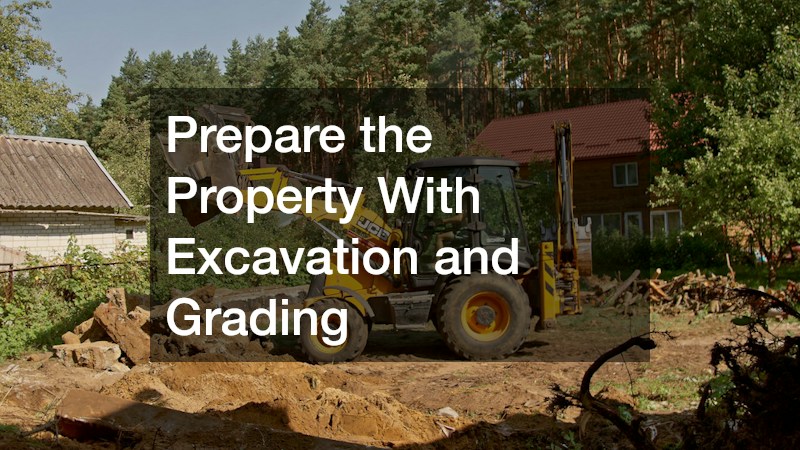
Many landscape improvements depend on proper preparation below the surface. A landscape excavation company can help with projects that require soil removal, grading, trenching, or site preparation. This work may be necessary before installing patios, retaining walls, drainage systems, driveways, or other permanent features.
Grading is particularly important because water should move away from structures and heavily used areas whenever possible. Low spots can collect water, while steep or poorly shaped slopes may contribute to erosion. Correcting these conditions early can help protect later investments in turf, plantings, and hardscaping.
Excavation may also be needed when removing old materials or creating new elevations. For example, a sunken patio, garden terrace, or widened walkway may require significant changes to the existing ground. Planning this work before installing finished surfaces can prevent unnecessary demolition later.
Homeowners should also ask how excavation will affect nearby trees, utilities, drainage lines, and property boundaries. Careful preparation can help avoid damage and make the rest of the landscape project easier to complete. Once the site is properly shaped, other professionals can begin installing structural features, planting areas, and systems with a more reliable foundation.
Improve Hardscaping and Outdoor Surfaces
Hardscaping gives a landscape structure and helps define how people move through the property. Patios, walkways, steps, borders, and paved gathering areas can make outdoor spaces easier to use while also creating a more finished appearance.
A paver company can help homeowners evaluate options for patios, paths, driveways, and other surfaces. Pavers are available in many shapes, sizes, colors, and textures, making it possible to coordinate them with the home’s exterior and surrounding landscape. Proper base preparation and drainage are essential because shifting or settling can affect both appearance and safety.
Homeowners should think about how each paved area will function. A narrow decorative path has different requirements than a patio designed for dining furniture or a driveway that supports vehicles every day. Surface texture, edge restraint, slope, and joint materials can all influence long-term performance.
Accessibility is another factor worth considering. Walkways, steps, gates, and gathering areas should be arranged so that family members and guests can move comfortably through the property. Wider paths, gradual transitions, and clearly defined routes may make the landscape easier to navigate. These details can also simplify routine tasks such as moving trash bins, carrying gardening supplies, or transporting outdoor furniture between storage and entertaining areas.
It is also helpful to consider transitions between paved surfaces and planting beds. Clean borders can simplify maintenance and reduce soil or mulch from washing onto walkways. If several hardscape areas are being added, using related materials or repeated design details can create a more unified look across the property.
Manage Trees Before Adding New Features
Existing trees can be valuable landscape features, but they can also affect where new improvements should be placed. Large roots, declining branches, excessive shade, or unstable trees may create problems for patios, fences, lawns, and planting areas.
Tree removal services can help homeowners address trees that are dead, severely damaged, poorly located, or creating safety concerns. Removing a tree before installing nearby structures can prevent conflicts with equipment access and reduce the risk of damaging newly completed work.
Not every tree needs to be removed. In some cases, pruning, cabling, or other maintenance may be enough to improve safety and preserve the tree. A qualified tree professional can evaluate condition, structure, and proximity to buildings or outdoor features before recommending a course of action.
Tree work can also influence the rest of the landscape design. Removing a large canopy may increase sunlight in areas that were previously shaded, which can change plant choices and lawn conditions. It may also alter privacy or expose views that homeowners want to screen. Planning tree work early allows these changes to be considered before new plantings and structures are finalized.
Support Healthy Lawns With Irrigation and Lawn Care
A refreshed landscape often includes improvements to lawn health, but grass can be difficult to maintain without consistent watering and appropriate care. Irrigation systems can help distribute water more evenly and reduce the need for manual watering, especially on larger properties or landscapes with multiple planting zones.
A well-designed irrigation system should account for different water needs. Lawns, shrubs, flower beds, and newly planted trees may require different schedules or application methods. Adjusting coverage can help reduce overspray onto pavement and limit water waste.
Homeowners may also work with a lawn care fertilizer and weed control company to address nutrient needs and unwanted plant growth. A professional program can be based on local conditions, grass type, soil characteristics, and seasonal changes rather than a one-size-fits-all schedule.
Healthy turf depends on more than fertilizer. Mowing height, soil compaction, drainage, sunlight, and watering habits all affect lawn performance. If grass continues to struggle in a certain area, homeowners may need to reconsider whether turf is the best choice for that location. Converting difficult areas to planting beds, ground cover, or hardscaping can sometimes reduce maintenance while improving the overall design.
Define the Property With New Fencing
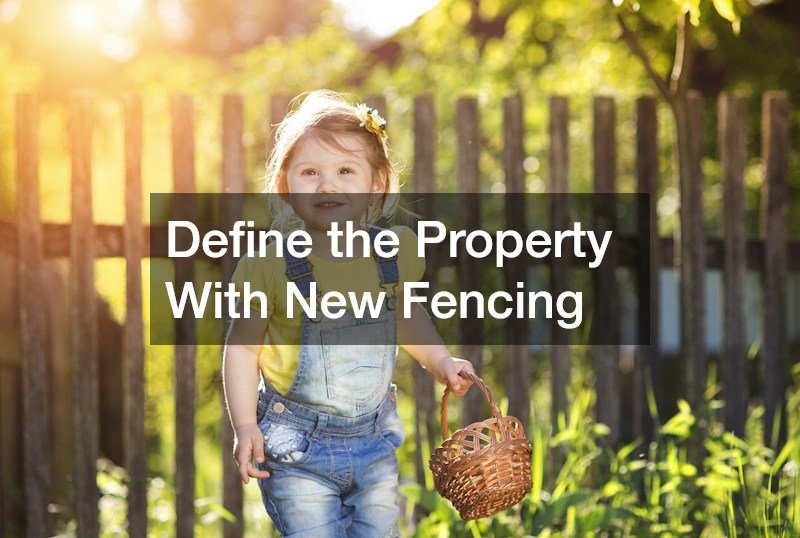
Fencing can contribute to privacy, safety, and organization within a landscape. It can define property boundaries, separate pets or play areas, screen equipment, and create a more enclosed setting for patios or pools.
Fence installation should be coordinated with the rest of the landscape plan. Gate placement should connect logically with walkways and driveways, while fence lines should account for trees, slopes, drainage, and future planting beds. Installing fencing before final landscaping can also make it easier for crews to access the property with equipment.
Material selection depends on the desired appearance and maintenance level. Wood offers a traditional look but may require regular finishing, while vinyl, aluminum, composite, and other materials have different durability and care requirements. Homeowners should also review local rules, permits, and property lines before work begins.
Thoughtful fencing can do more than create a boundary. Decorative panels, coordinated gates, climbing plants, and nearby landscaping can help a fence feel integrated into the property rather than added as an afterthought. When placement and materials support the overall design, fencing can strengthen both function and visual continuity.
Add Lighting and Outdoor Comfort Features
Outdoor lighting can extend the usability of a landscape after sunset and improve visibility along paths, steps, entrances, and gathering areas. Permanent lighting installation services can help homeowners create a system that is designed to remain in place rather than relying on temporary fixtures or seasonal setups.
Lighting works best when it serves several purposes. Path lights can guide movement, accent lights can highlight trees or architectural details, and task lighting can support grilling or dining areas. Homeowners should avoid overlighting the property, since carefully placed fixtures can often provide better results than excessive brightness.
Comfort features can also make outdoor spaces more inviting during cooler weather. A fireplace supplier can help homeowners compare options for outdoor fireplaces, fire features, inserts, and related components. The right choice depends on available space, fuel preferences, local requirements, and how the area will be used.
Fire features should be planned with safety and surrounding materials in mind. Seating, overhead structures, plants, fences, and nearby surfaces all affect placement. Integrating lighting and comfort features into the broader landscape plan can create gathering areas that feel intentional and convenient rather than disconnected from the rest of the yard.
Coordinate Services for a Complete Landscape Refresh
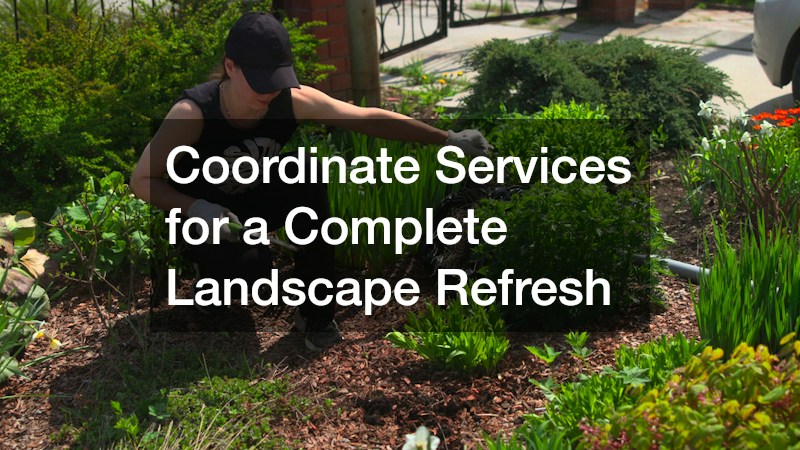
A complete landscape update often involves several professionals, so scheduling can be just as important as design. Excavation and grading usually need to happen before finished surfaces are installed, while tree work may need to be completed before fencing, paving, or planting. Irrigation lines should also be coordinated with hardscaping so that newly installed surfaces do not have to be disturbed later.
Homeowners can make the process easier by establishing a master plan and sharing it with each contractor involved. Clear communication helps professionals understand which features are staying, which are being removed, and what work is scheduled to follow. This can reduce conflicts between trades and help protect completed improvements.
Budgeting should include both visible features and supporting work. Soil preparation, drainage corrections, hauling, permits, utility marking, cleanup, and repairs can all affect the final cost. Leaving room for unexpected conditions is especially helpful on older properties where hidden issues may be discovered once work begins.
Long-term maintenance should be discussed before the final selections are made. Some materials, plants, and features require more frequent cleaning, sealing, pruning, watering, or seasonal attention than others. Homeowners who prefer a lower-maintenance property can prioritize durable surfaces, appropriately sized plants, efficient watering, and simple planting arrangements. Matching the design to the amount of upkeep the household can realistically manage can help the refreshed landscape remain attractive and functional after the installation work is finished.
A landscape refresh does not have to happen all at once. Homeowners can divide the project into phases based on urgency, budget, and seasonal timing. The important part is making sure each phase supports the long-term plan. When design, preparation, planting, paving, fencing, lighting, lawn care, and outdoor features are coordinated thoughtfully, the finished property can be easier to maintain, more comfortable to use, and better suited to everyday life. This approach also gives homeowners a clearer framework for comparing project priorities and deciding where professional help will provide the greatest benefit.